Most marketing teams aren’t short on effort.
They’re running more campaigns than ever. Using more tools. Tracking more metrics. Meeting more often. Yet, profitability has plateaued even if revenue is increasing.
Growth feels fragile. Forecasting feels stressful. Teams are busy — but margins aren’t moving the way they should.
This isn’t a people problem; it’s a strategy problem. Marketers are often pushed to focus on new customer aquisition and retention slides to the wayside, even though increased profits lie in a strong repeat purchase pattern.
Marketing Budgets Have Increased But …
As brands scale, marketing activity naturally expands:
- More acquisition channels
- More launches
- More promotions
- More optimization cycles
But in many organizations, nearly all of that activity is still oriented around new customer acquisition.
New customers drive top-line growth, but at a certain point, your Customer Acquisition Cost (CAC) reaches a plateau, and then profitability plateaus because acquisition is the primary engine for sales.
Profitability Lives in the Customer Retention Bucket
The economics are simple, but often overlooked.
Acquisition introduces a customer to your brand, but repeat purchases determine how profitable that relationship becomes.
When customers return:
- Acquisition costs are spread over time
- Average order value often increases
- Margins expand naturally
- Revenue and profitability grows
When they don’t, teams are forced to work harder each quarter just to maintain momentum.
Busy teams aren’t inefficient; they are often compensating for weak repeat-purchase behavior.
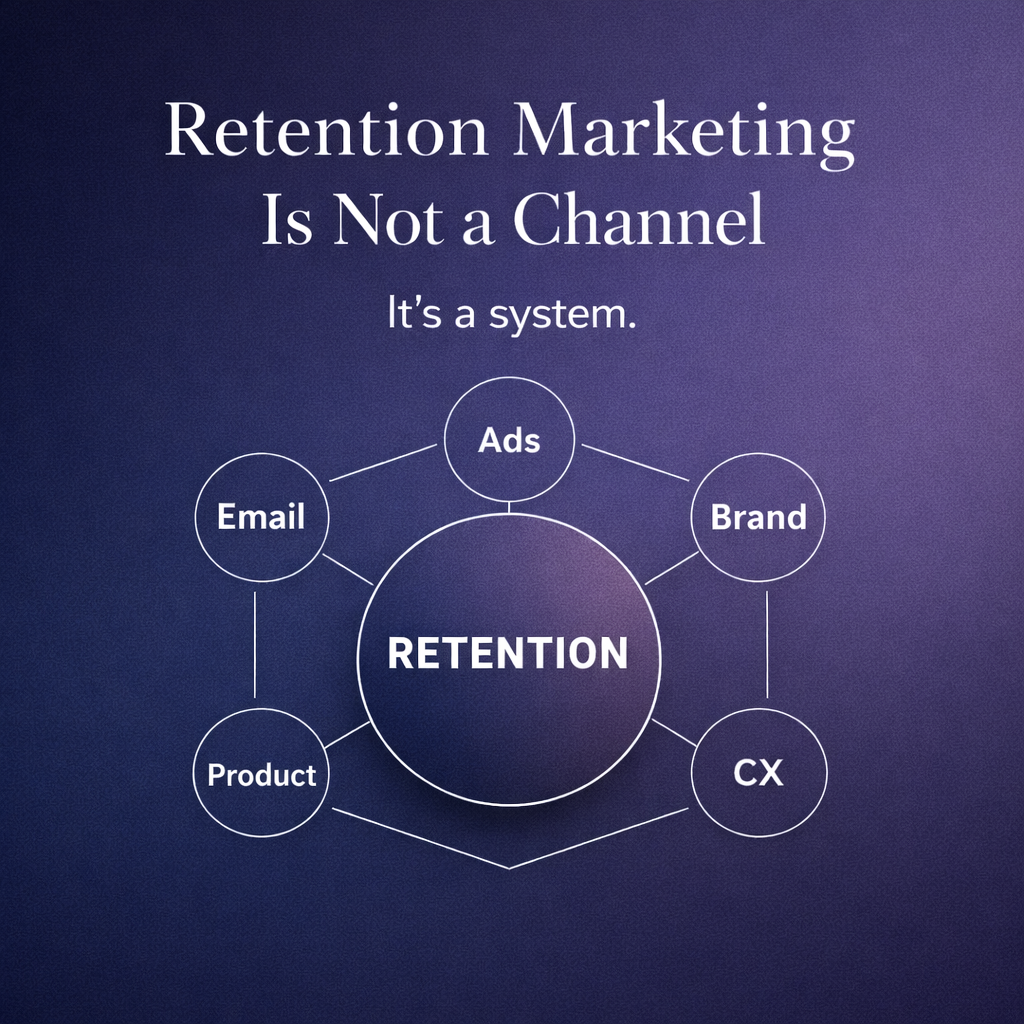
Loyalty Isn’t a Tactic. It’s a System.
Most brands know customer loyalty matters, but knowing and implementing a loyalty framework are not the same thing.
Loyalty becomes fragile when:
- It’s treated as an email problem
- It’s owned by no one
- It’s measured inconsistently
- It’s discussed after acquisition goals are set
Without structure, loyalty becomes an outcome you hope for — not one you engineer.
A Simple Framework for Building Lifetime Value
Strong LTV doesn’t come from one campaign.
It comes from intentionally designing for repeat behavior.
Here’s a high-level framework mature brands use to evaluate and improve lifetime value:
- Repeat Rate: How often customers come back after their first purchase.
- Time to Second Purchase: How quickly customers return — an early indicator of long-term value.
- Purchase Expansion: How customer value grows over time through increased order size, bundles, or cross-category buying.
- Retention Signals: The behaviors that reliably predict long-term customers early in the lifecycle.
- Lifecycle Ownership: Who is accountable for improving these outcomes — not just reporting on them.
This isn’t a checklist; it’s a framework to use when guiding your decision-making.
Why Teams Stay Busy Without Getting More Profitable
When teams are measured primarily on:
- New customer volume
- Short-term revenue spikes
- Campaign-level performance
Their effort follows those incentives.
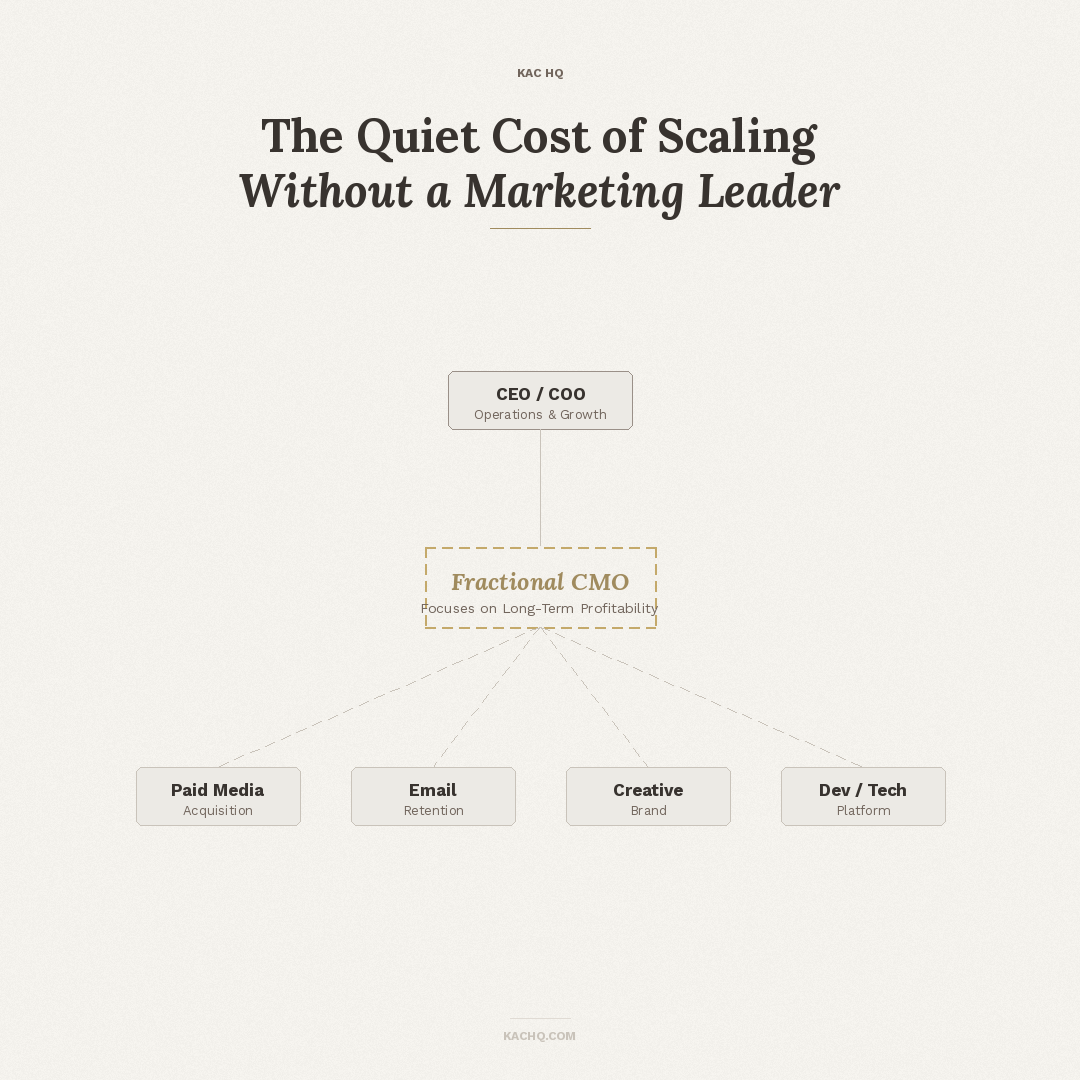
Without clear ownership and decision-making around lifetime value, acquisition will always dominate attention — and profitability will lag behind.
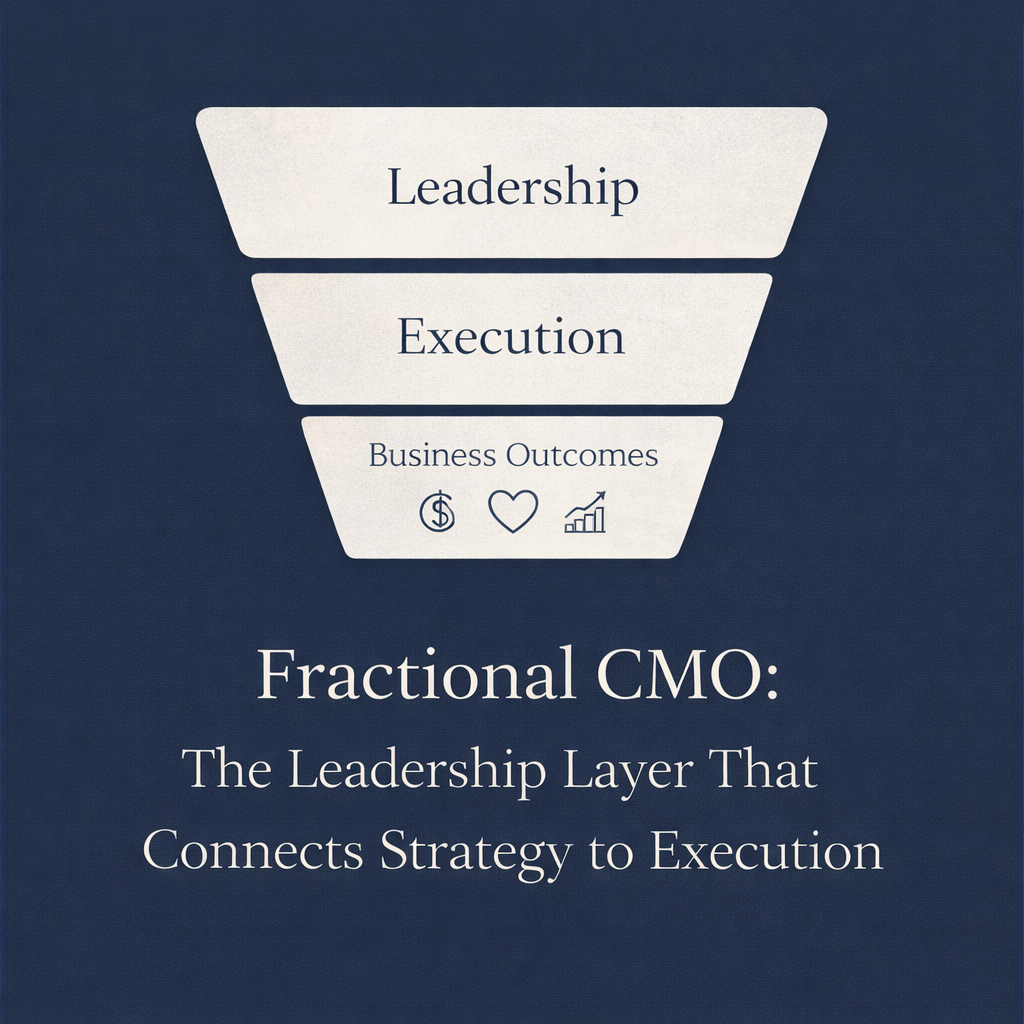
This is where decision architecture matters.
If no one owns repeat behavior, no system will reliably produce it.
The Shift That Changes Everything
Profitability improves when teams stop optimizing for the next customer and start designing for the next relationship.
This doesn’t reduce ambition; it reduces ambiguity.
And when the focus is crystal clear busy marketing teams become more profitable.