OpenAI announced on January 16, 2026, that ads will begin appearing in some ChatGPT accounts over the coming weeks. This is not surprising to most as free and low-cost platforms monetize with ads (e.g. Meta, Google, TiKTok, Netflix, Hulu, and more).
Currently OpenAi states that ads will only show on their free and low-cost Go tiers, while Plus, Pro, Business, and Enterprise subscriptions will remain ad-free.
So, what will the ads look like? The OpenAI team gave us a peek at what we can expect from the first generation of ads:
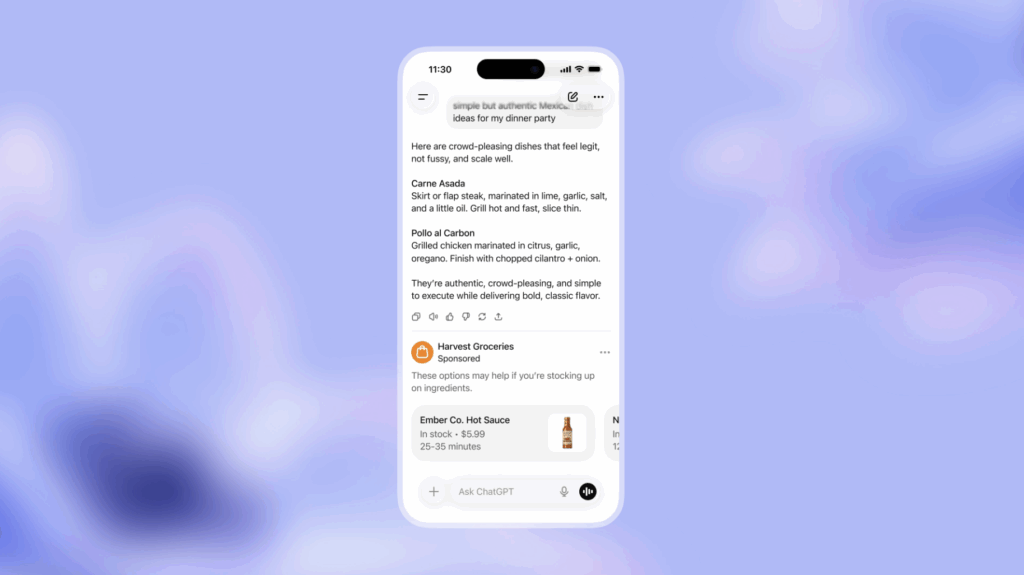
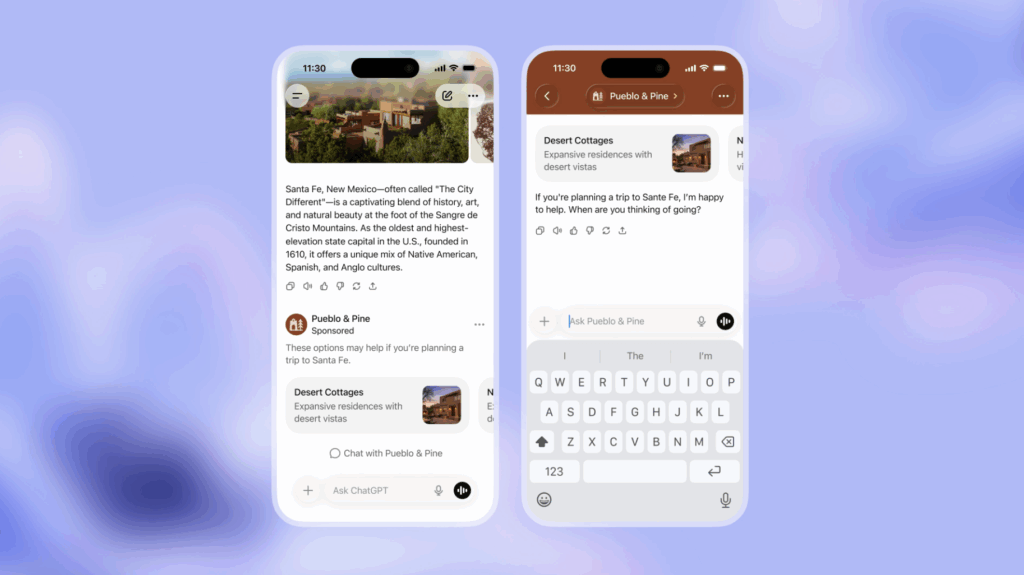
As we can see, the sponsored content will appear below the primary answer from ChatGPT and include a word mark labeled “Sponsored” to clearly delineate it.
This is important for users, as we know social proof in the form of recommendations from trusted sources greatly influences purchase behavior positively, and many people view their ChatGPT as a trusted, familiar source they talk to daily. It’s ethically important that sponsored content be clearly distinct from the primary conversation.
What Ads in ChatGPT Mean for Lifecycle Marketing
When sponsored recommendations appear inside ChatGPT conversations, brands no longer own — or even initiate — the first touchpoint.
On the surface, this may seem similar to social media advertising, where ads introduce consumers to brands they’ve never heard of. But the context is fundamentally different.
Social ads:
- interrupt scrolling
- rely on visual proof + repetition
- are clearly promotional
- sit outside a guidance relationship
ChatGPT ads:
- appear inside a help-seeking moment
- sit next to advice, not content
- benefit from conversational proximity to a trusted assistant
- influence interpretation, not just awareness
In social environments, ads interrupt entertainment or browsing. In conversational AI, recommendations appear during moments of active problem-solving — alongside guidance from a source many users interact with daily and implicitly trust.
That proximity matters.
We know social proof and trusted recommendations positively influence conversion. In ChatGPT, that influence occurs before a brand interaction ever begins, shaping expectations upstream of the traditional funnel.
From a lifecycle perspective, this changes the stakes.
Customers may arrive with:
- pre-formed trust
- perceived third-party validation
- higher expectations for relevance and delivery
If the post-click experience fails to reinforce that early trust — through onboarding, product experience, or follow-up — customer lifetime shortens, even if acquisition improves.
This presents a powerful opportunity for brands with strong lifecycle systems — and a hidden risk for those without them.
Conversational discovery doesn’t replace lifecycle marketing. It raises the bar for it.
Ads Now Compete With Advice, Not Attention
In most channels, ads compete with other ads.
In ChatGPT, ads compete with helpfulness. That distinction matters.
If a placement feels misaligned with the user’s intent, it doesn’t just underperform — it can actively erode trust. And that erosion happens before a customer ever enters your owned lifecycle.
For lifecycle marketers, this raises the bar:
- acquisition messaging must match post-purchase reality
- value propositions must be clear, not inflated
- expectations set upstream must be reinforced downstream
Lifecycle breaks faster when the first promise is wrong.
Retention Becomes a Defensive Advantage
As discovery fragments across AI-mediated environments, brands that rely heavily on constant acquisition will feel more exposed.
Strong lifecycle systems reduce that risk.
Brands with:
- high repeat purchase rates
- strong post-purchase education
- consistent customer experience
are less dependent on emerging channels to sustain growth.
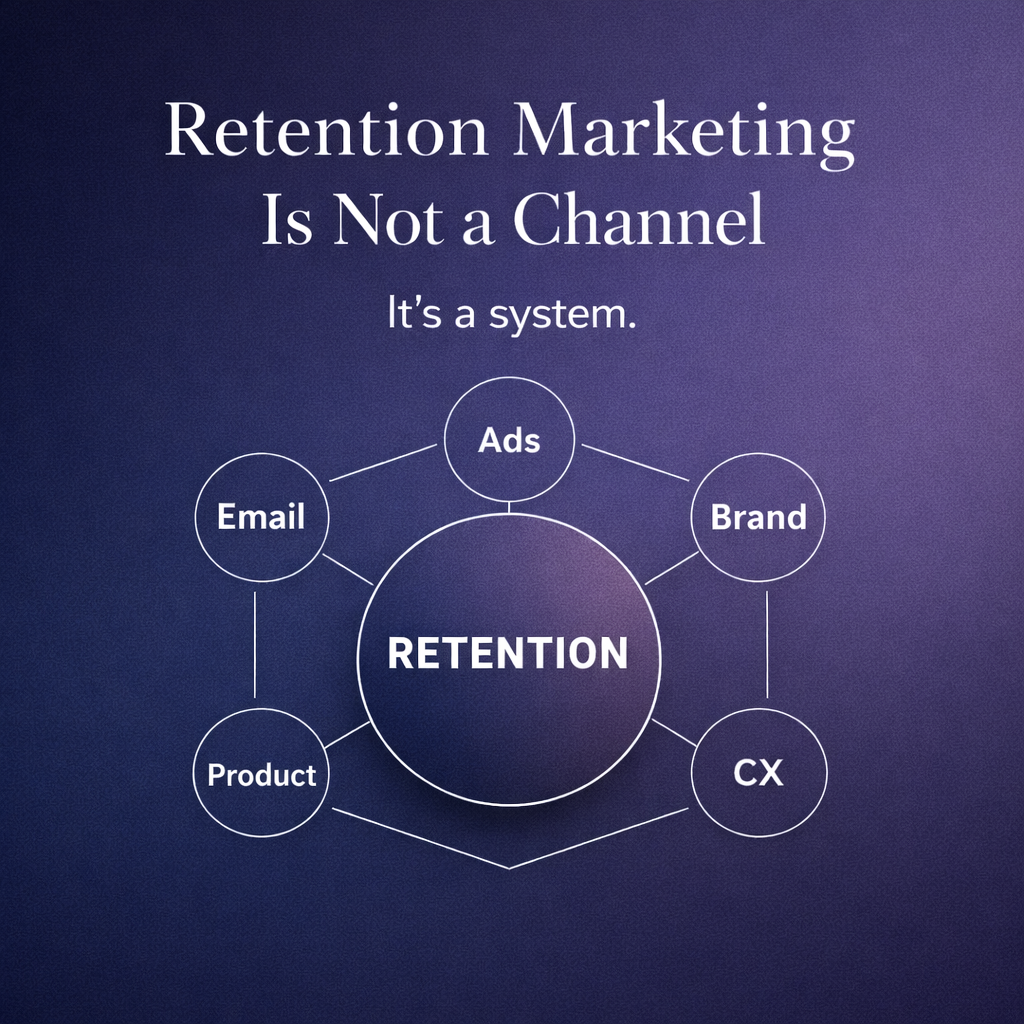
From a lifecycle standpoint, retention is no longer just about margin. It’s about resilience.
Repeat customers:
- lower reliance on volatile acquisition channels
- reinforce brand trust over time
- stabilize revenue as discovery environments change
Repeat customers:
- lower reliance on volatile acquisition channels
- reinforce brand trust over time
- stabilize revenue as discovery environments change
The stronger the lifecycle, the less fragile the business.
Lifecycle Messaging Must Be Cohesive Everywhere
ChatGPT doesn’t present ads in isolation. It presents them in a conversation.
That means gaps in lifecycle alignment become more visible:
- acquisition promises vs onboarding reality
- marketing language vs product experience
- positioning vs support and education
When these don’t match, customer lifetime shortens — even if acquisition performs.
Lifecycle marketing becomes less about individual touchpoints and more about continuity. The story a brand tells has to hold up from first exposure through long-term use.
Decision Architecture Matters More Than the Channel
The biggest lifecycle risk isn’t ads in ChatGPT. It’s how organizations respond to them.
Without clear decision architecture, teams may:
- chase a new channel without understanding its lifecycle impact
- optimize for clicks instead of long-term value
- introduce misaligned acquisition that increases churn
Lifecycle marketing requires decisions about:
- which customers are worth acquiring
- what expectations are set early
- how success is measured beyond conversion
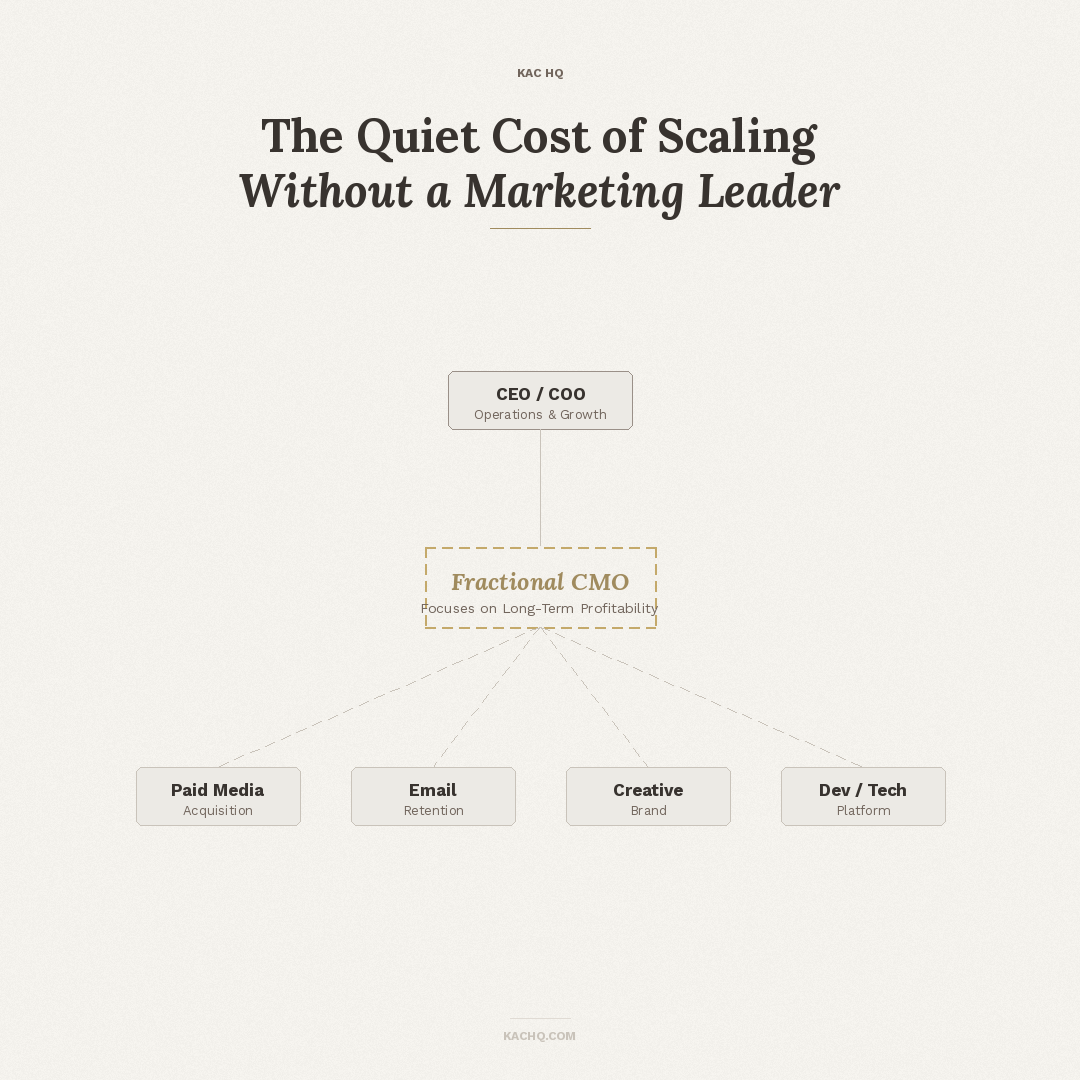
- who owns retention outcomes
This isn’t a media decision. It’s a lifecycle design decision.
The Lifecycle Reality
Ads in ChatGPT don’t change the fundamentals of lifecycle marketing.
Brands with intentional lifecycle systems will adapt faster.
Brands without them will feel busier — and less profitable.
As new discovery surfaces emerge, the brands that win won’t be the ones chasing every channel. They’ll be the ones designing customer relationships that last — no matter where the first interaction happens.